01
Add standard products to your range
For outdoor living dealers, importers and showrooms. Select kitchen or garage models, define a demonstration or trial order, and align the sales and installation information before launch.

For dealers, importers and project partners with local sales or installation resources. Start with standard kitchens and garages, or develop a sunroom, pool enclosure or opening roof around a real project.
Standard models · Project configurations · Repeat procurement
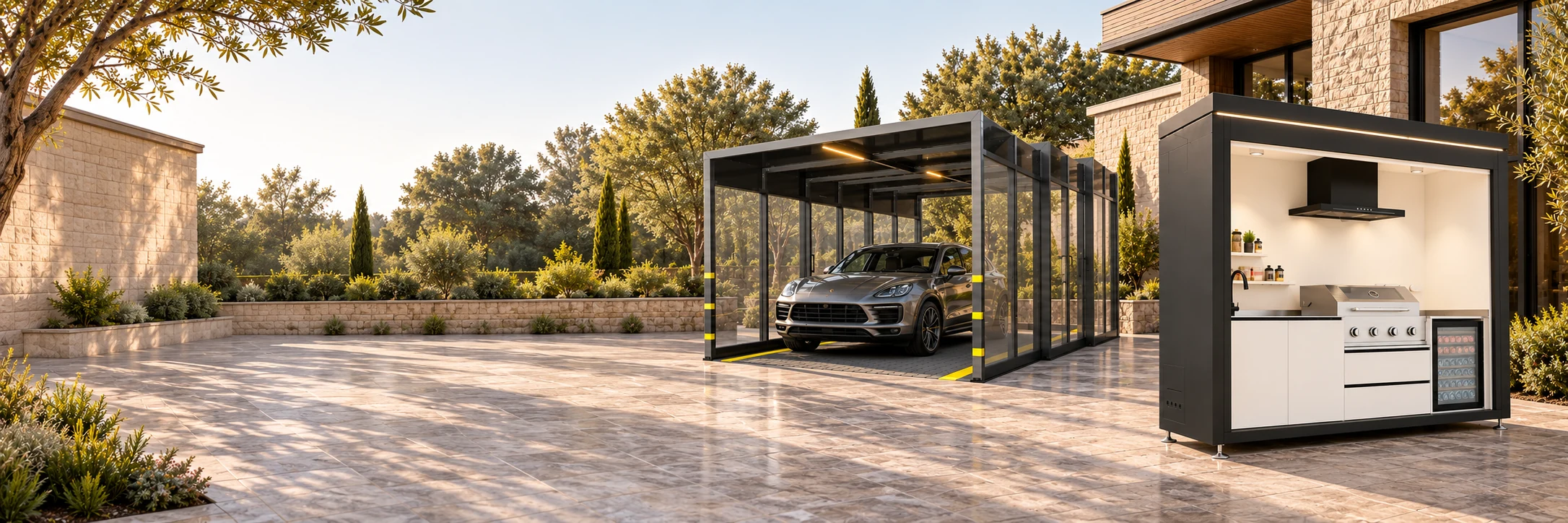
Choose products around the customers you already serve and the installation capability available in your market.
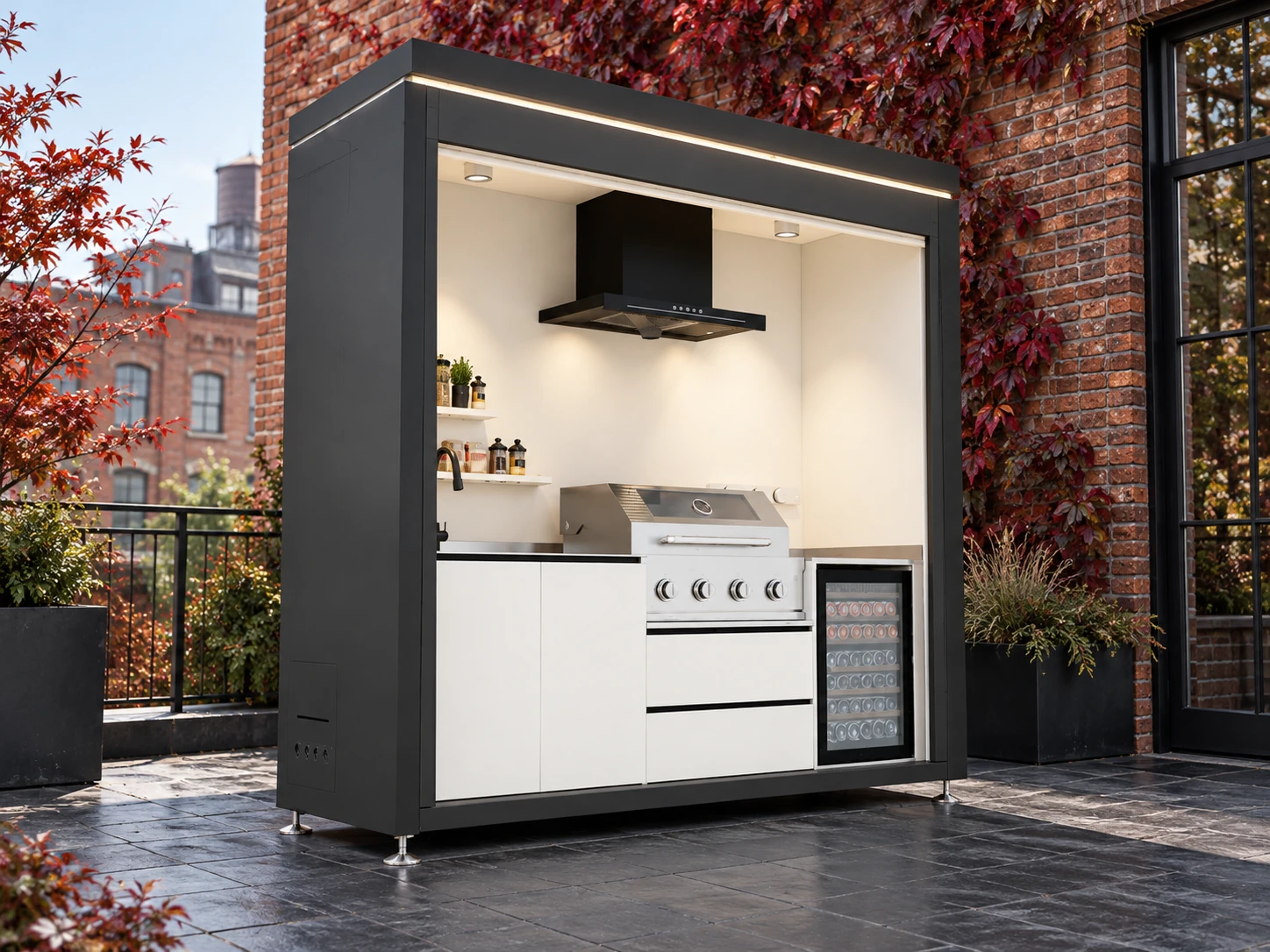
MINI and full-height models. Compare equipment, opening mechanisms and finishes by configuration.
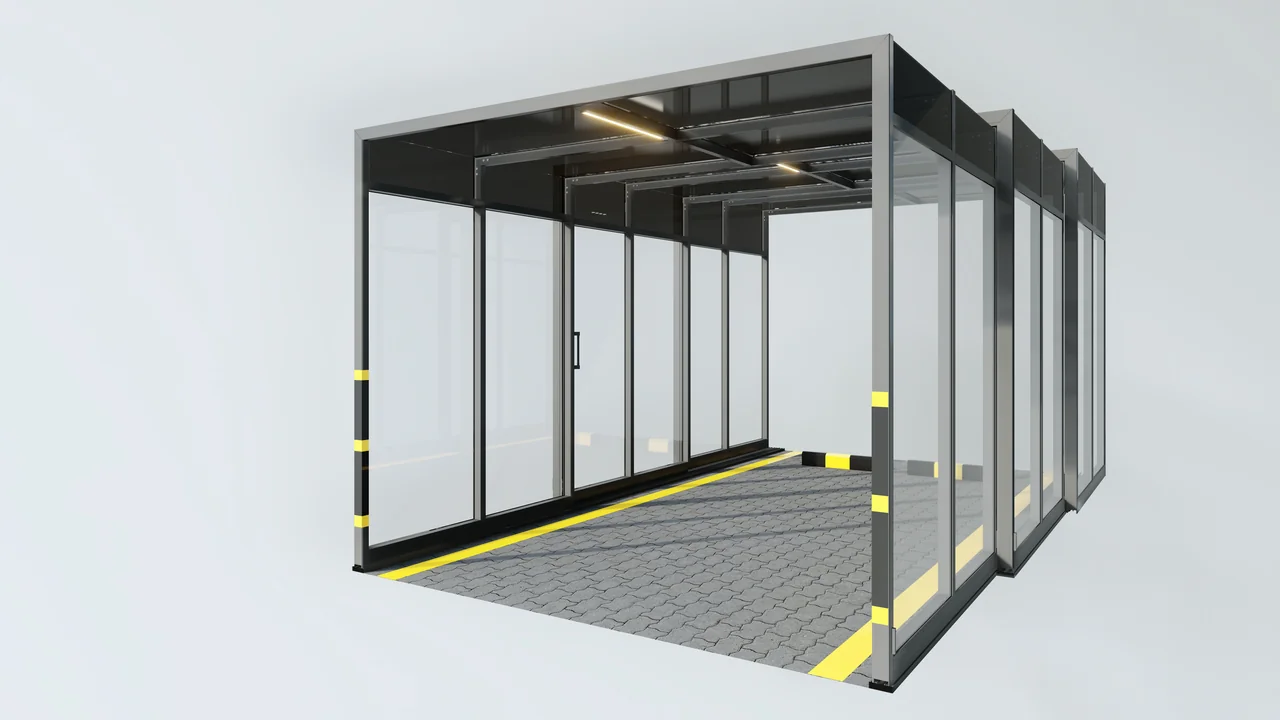
Single and double standard models. Check vehicle clearance, retracted space and the installation surface.
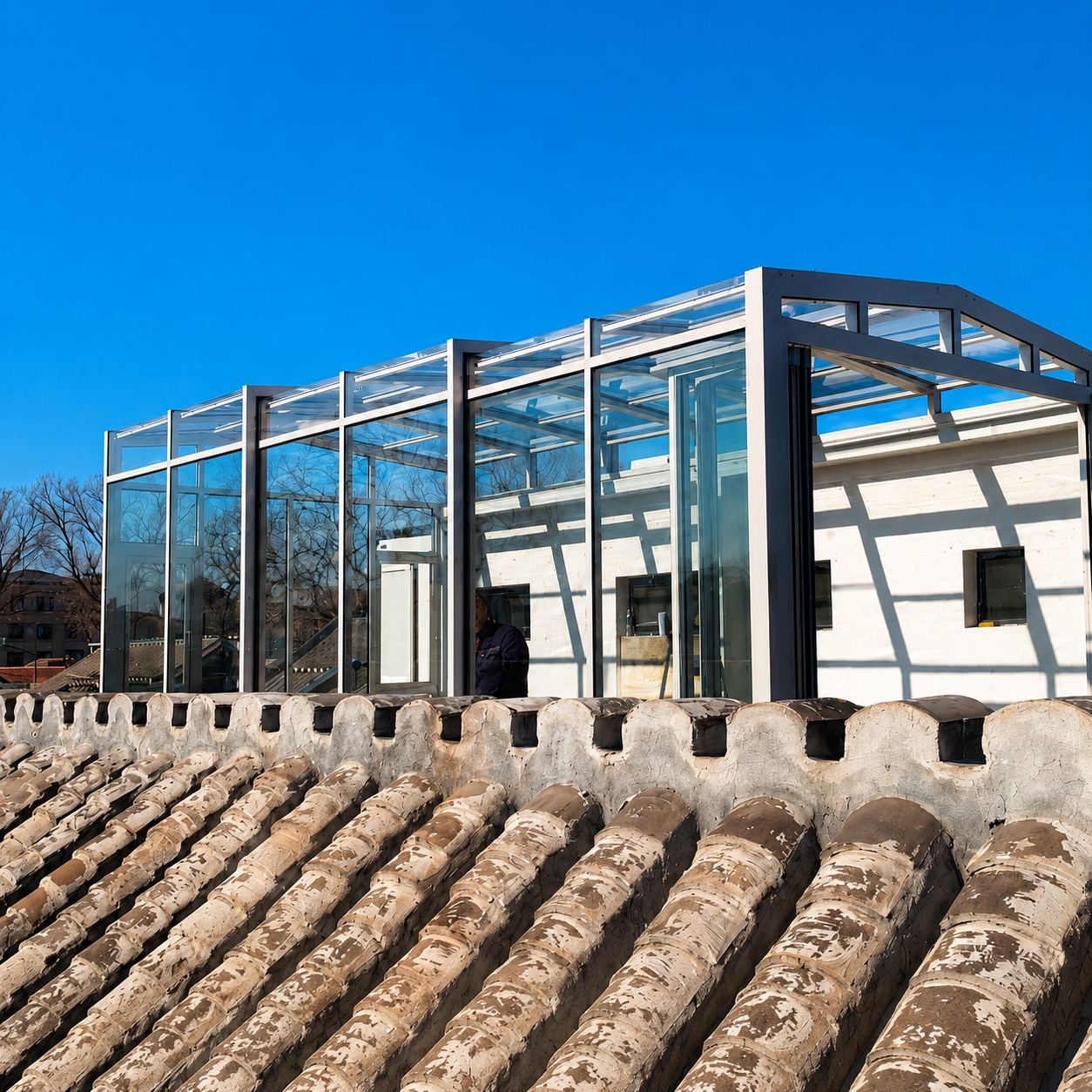
Freestanding or wall-mounted layouts, selected around site dimensions, panels and seasonal use.

Plan the enclosure with pool dimensions, deck access, opening direction and local project requirements.
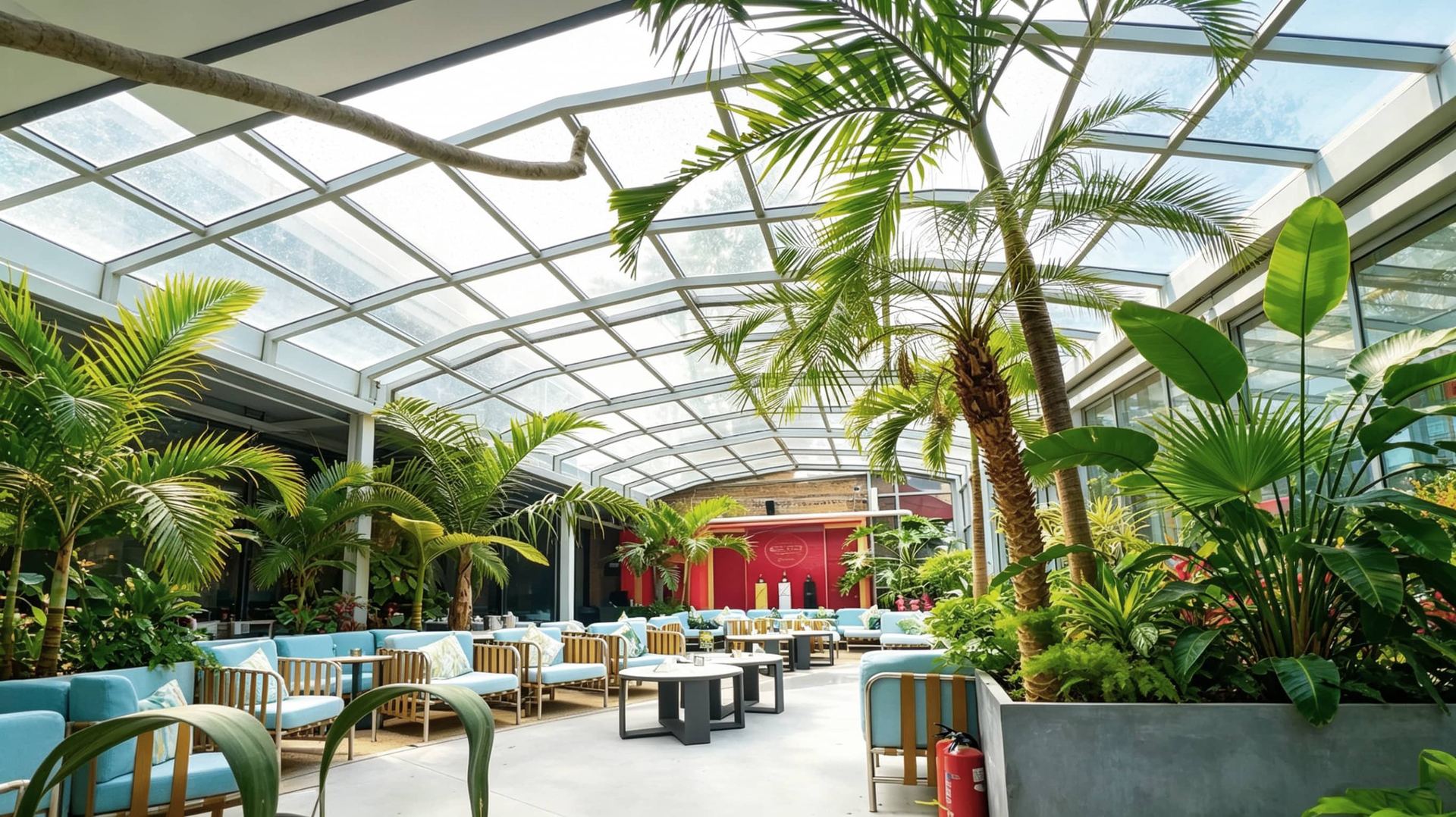
Coordinate moving roof sections, supports, drainage, panels and control equipment with the project design.
For outdoor living dealers, importers and showrooms. Select kitchen or garage models, define a demonstration or trial order, and align the sales and installation information before launch.
For contractors, pool builders, landscape companies and hospitality projects. Share site drawings and requirements so the configuration, interfaces and supply responsibilities can be defined together.
Start from an agreed model and configuration. Discuss branding, packaging and customization as a separate scope, including compatibility, cost and the identification required for the target market.
Model and configuration review; product information, drawings and packing details for the agreed supply.
Customer requirements, site measurements, intended use and the local sales channel.
Itemized quotation, order specification and production/delivery arrangements confirmed for that order.
Local planning and technical review, supporting surfaces, utility connections and installation arrangements.
Technical issue assessment based on the order, model, photos and video; support and parts scope agreed in writing.
Customer communication, installation records, first inspection and local service coordination.
Country, company role, customers, sales channels and installation resources.
Choose models, configurations and a showroom, sample or real-project requirement.
Agree quantity, currency, trade term, named place, logistics, installation and support terms.
Use installation and customer feedback to plan the next order and discuss wider cooperation.
Discuss a sample, trial order or actual project using the selected model and quantity. Pricing, packaging and transport depend on that scope; sample supply is a commercial order with separately agreed terms.
No. Request a quotation for your model, configuration, quantity and destination. The written offer identifies currency, tax status, trade term and the scope of packaging, freight, installation and documentation.
Ordinary cooperation does not automatically grant exclusivity. Any exclusive territory requires a separate written agreement covering the market, channels, initial order, purchasing targets, promotion and local service responsibilities.
Discuss branding and packaging after the model configuration is agreed. Technical changes require a separate compatibility and cost review. Mandatory product identification, traceability and applicable market requirements remain part of the order specification.
Identify the selected model, components and destination requirements first. Review each available document against the exact supply scope. A component certificate does not establish complete-system certification or project approval.
Define the local installer and customer-service responsibilities before ordering. Record installation guidance, issue-reporting information, warranty coverage, parts and transport responsibilities in the written agreement for that order.
Send your company, country, product interests, sales or installation capability and planned quantity. For a project, include dimensions and site photos or drawings.